
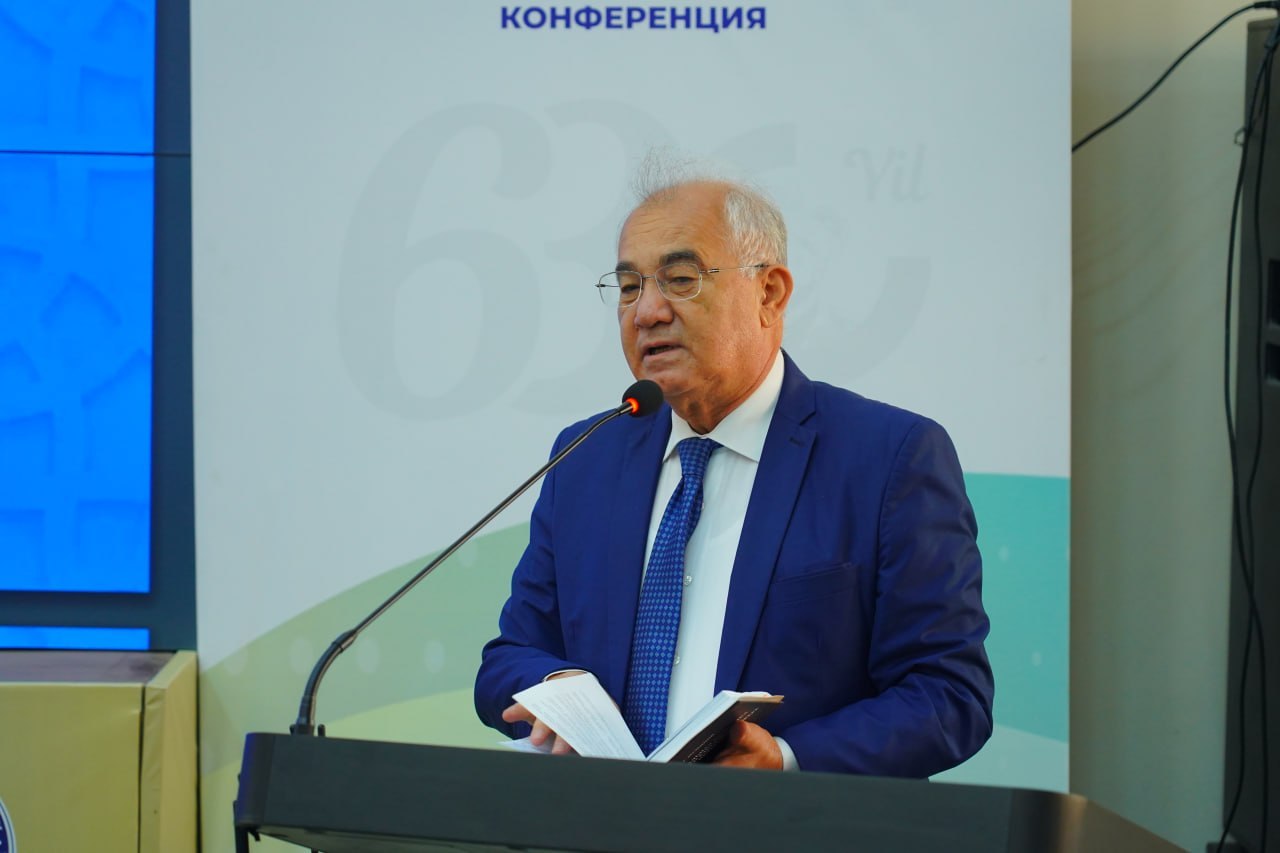
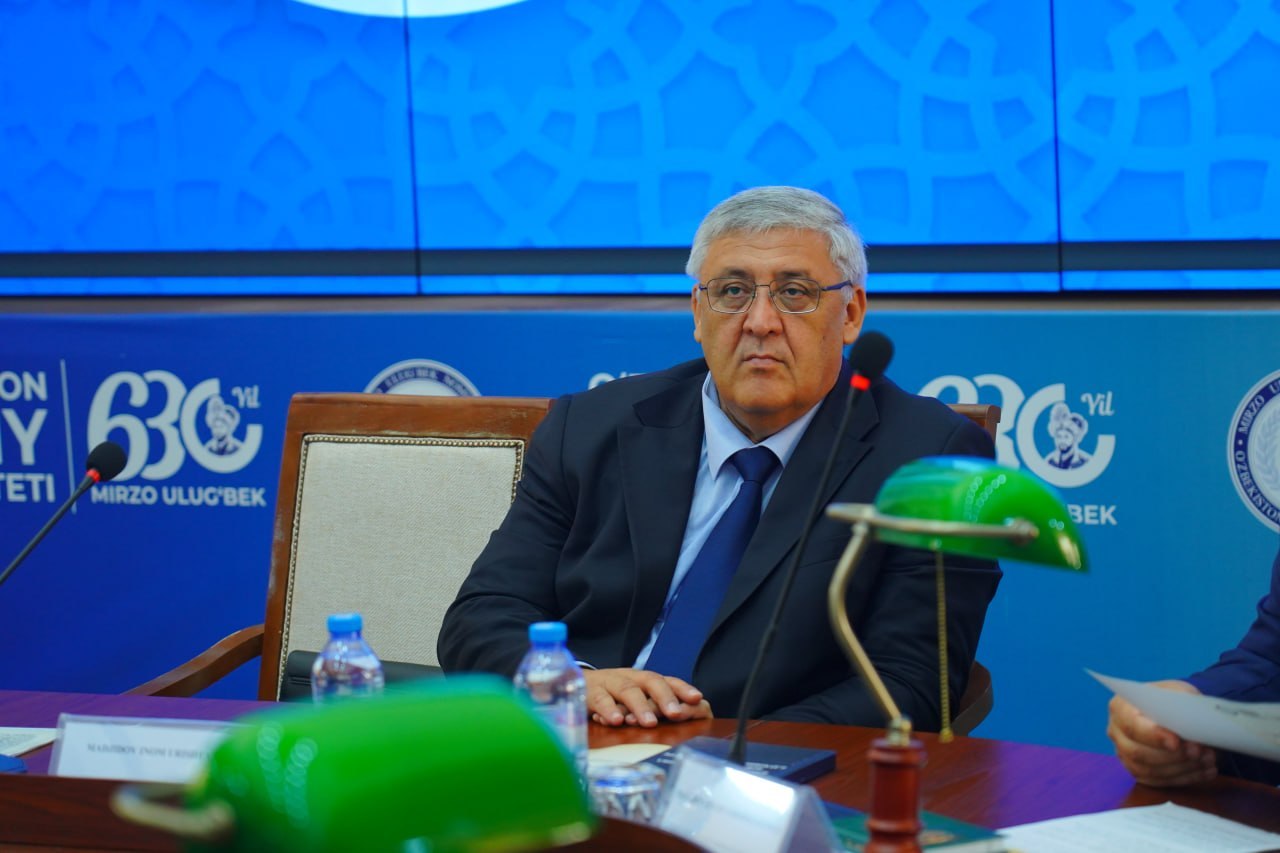
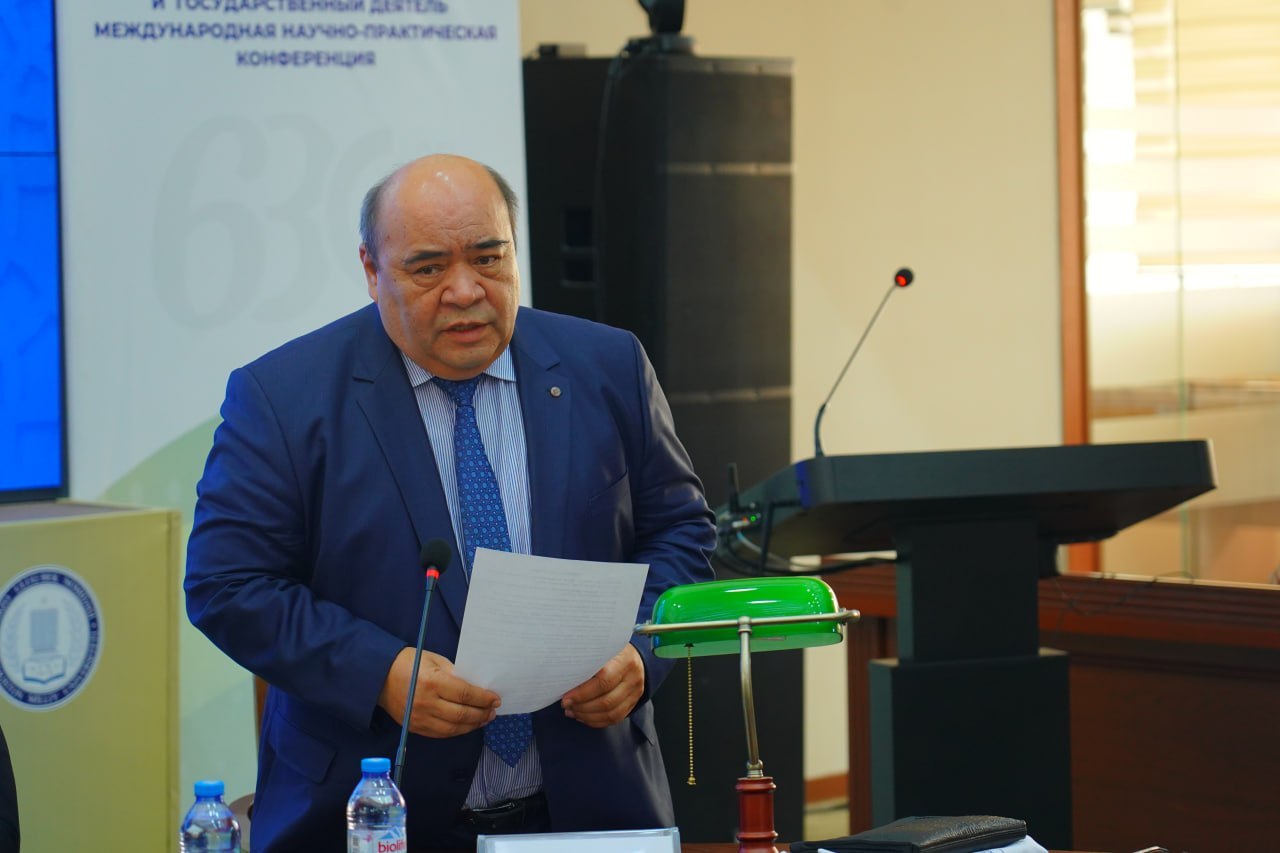
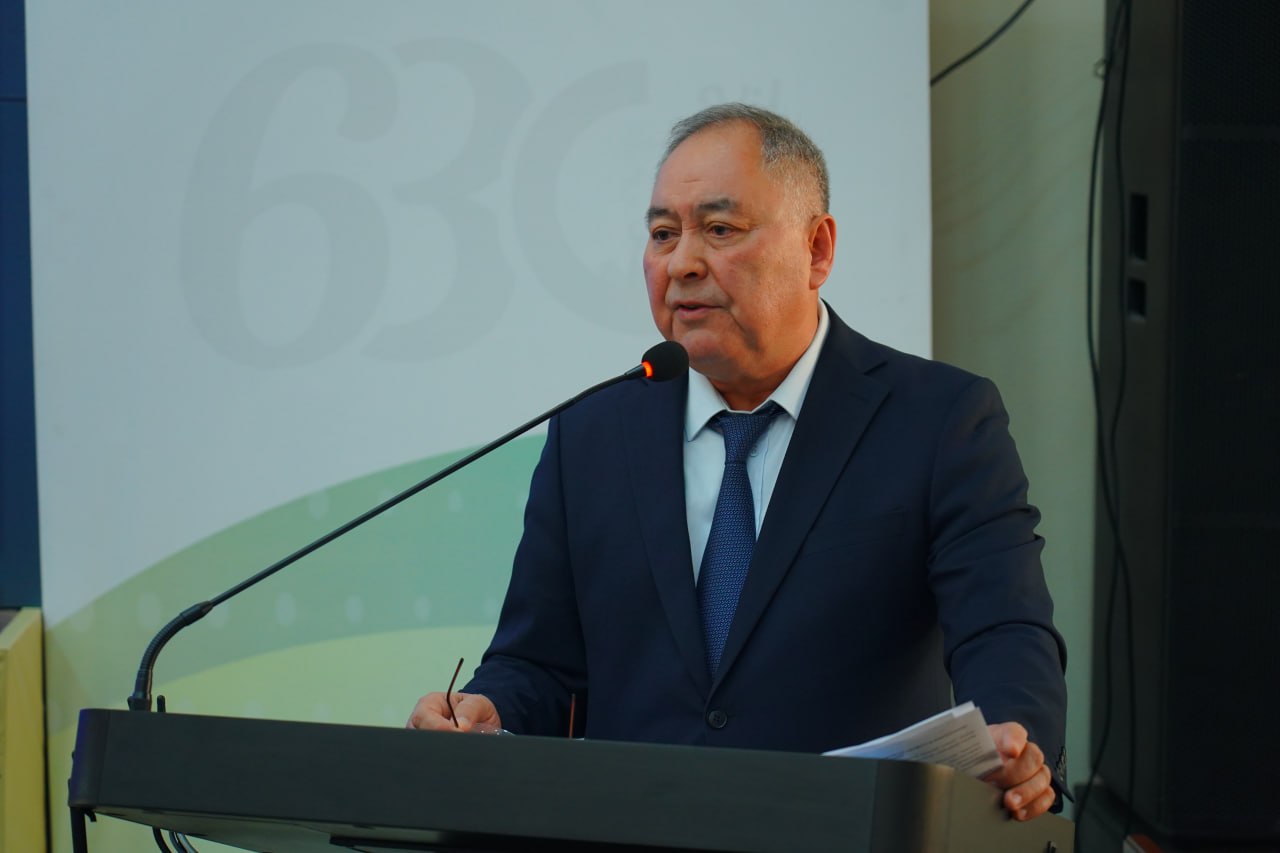
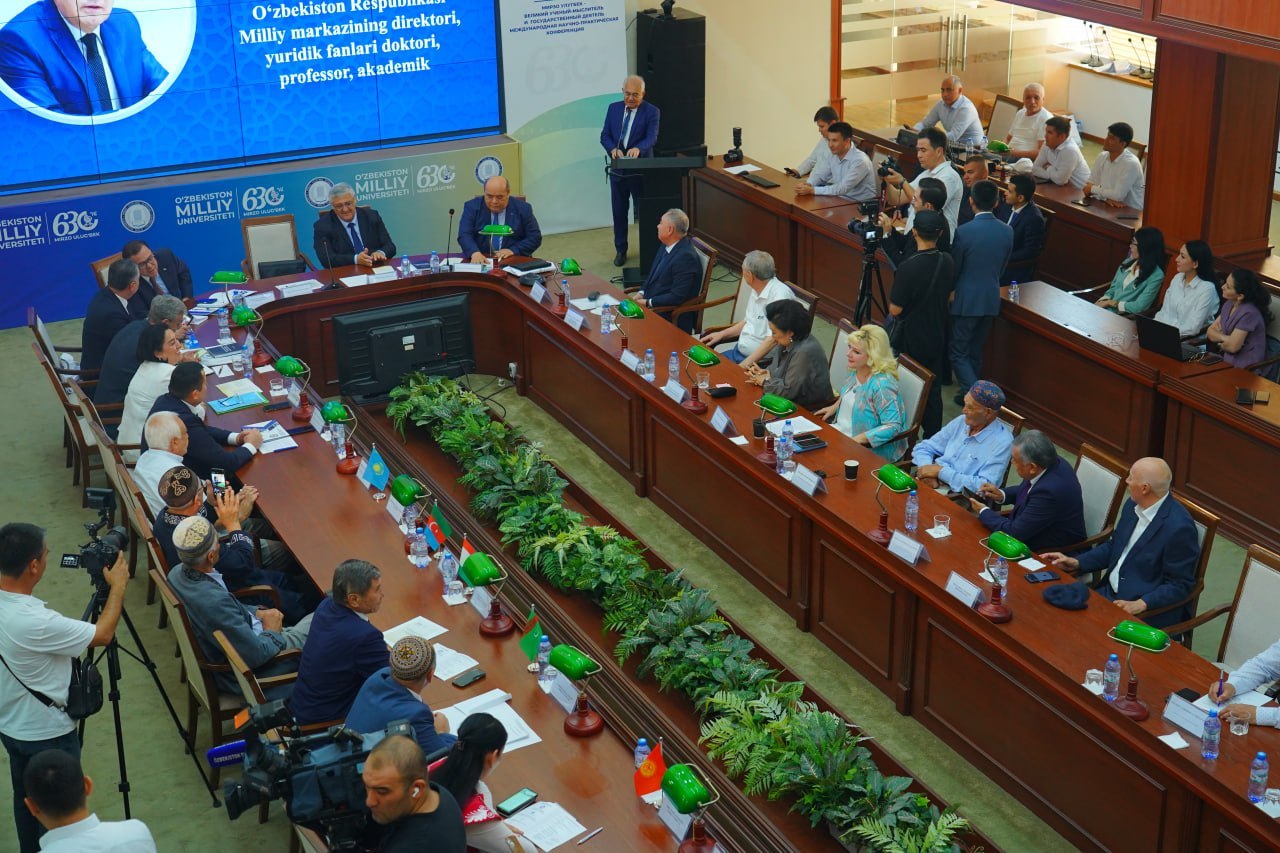
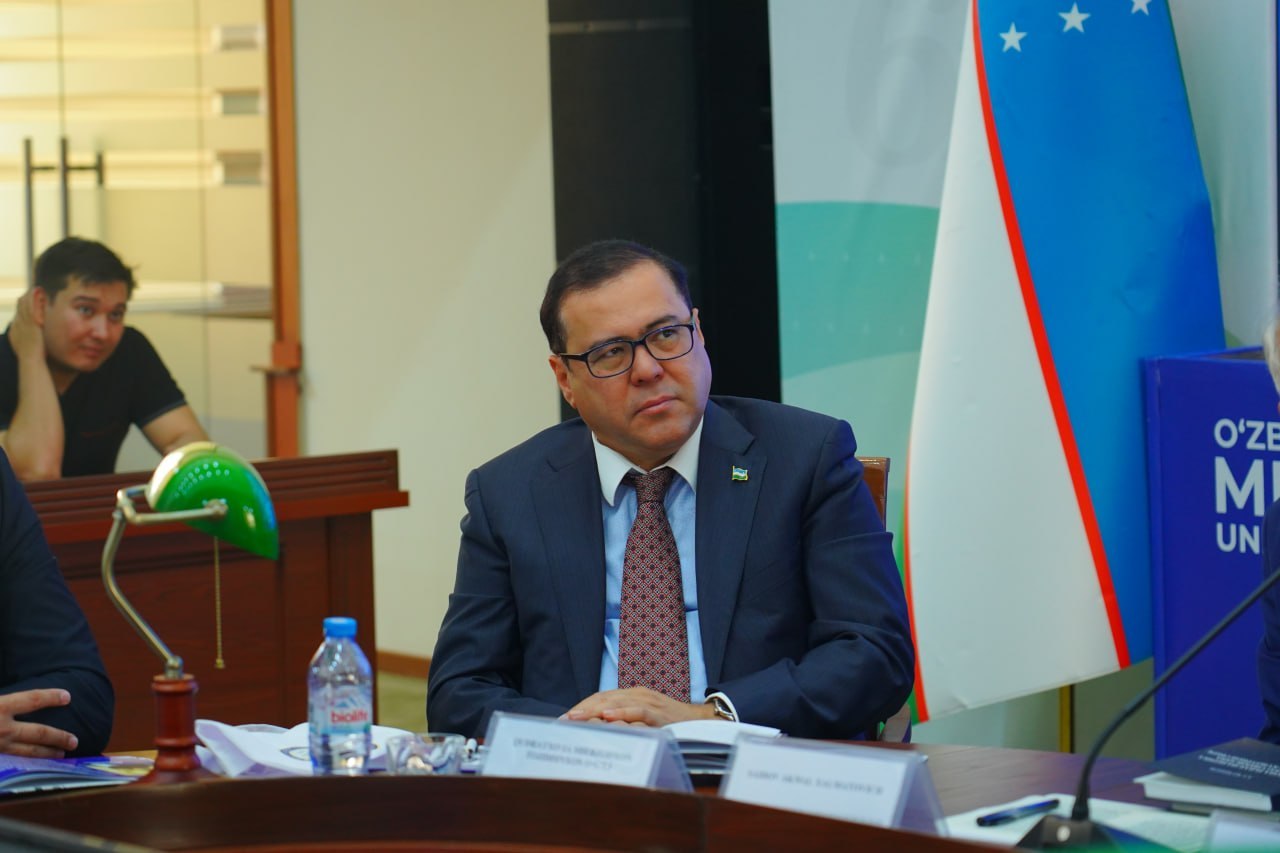
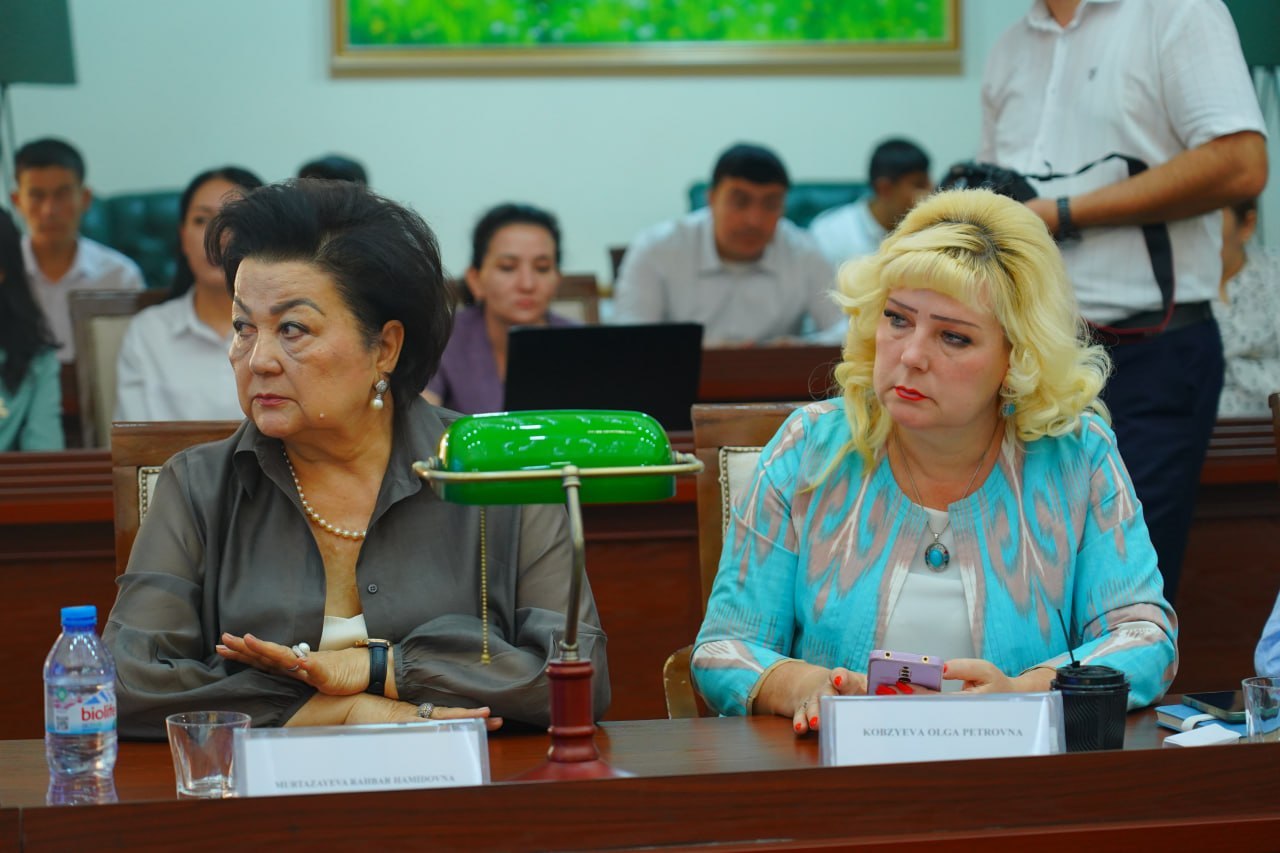
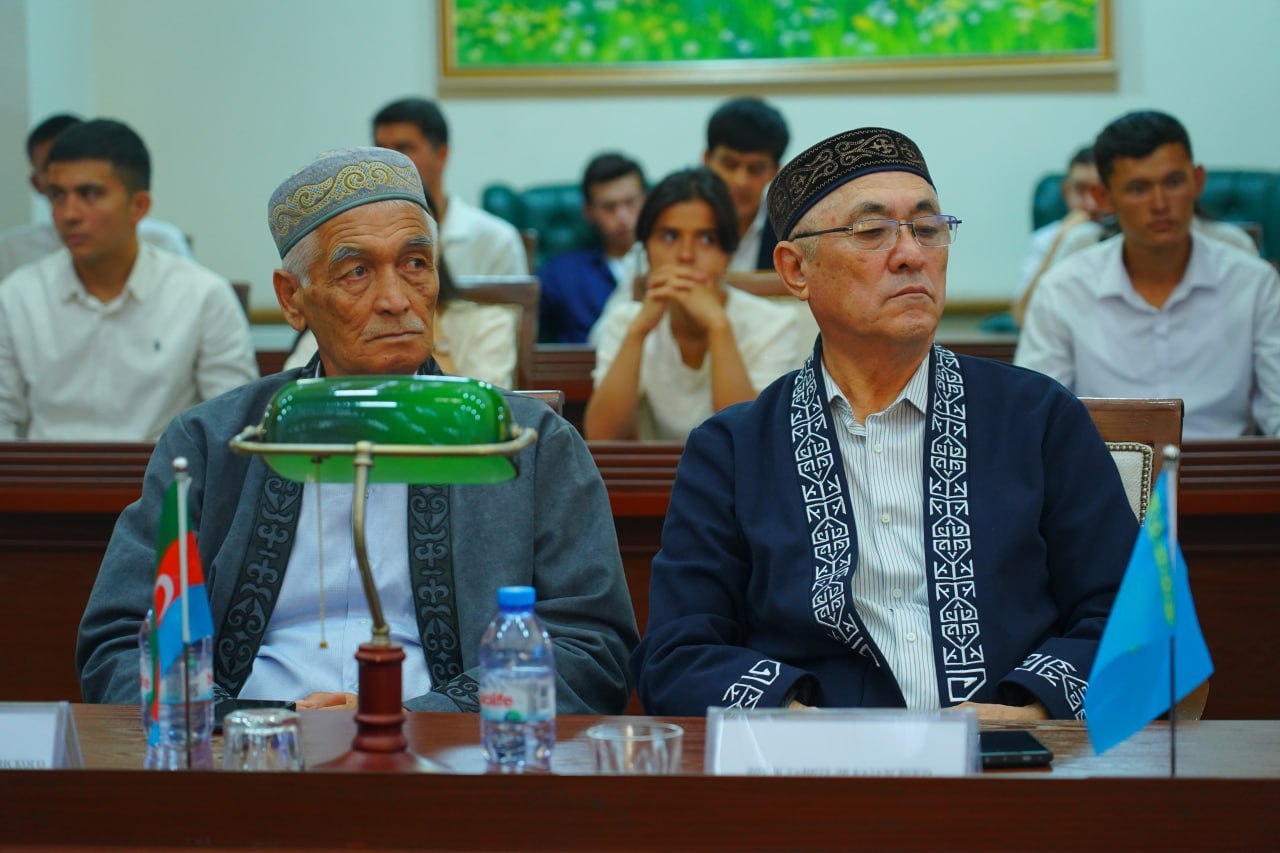
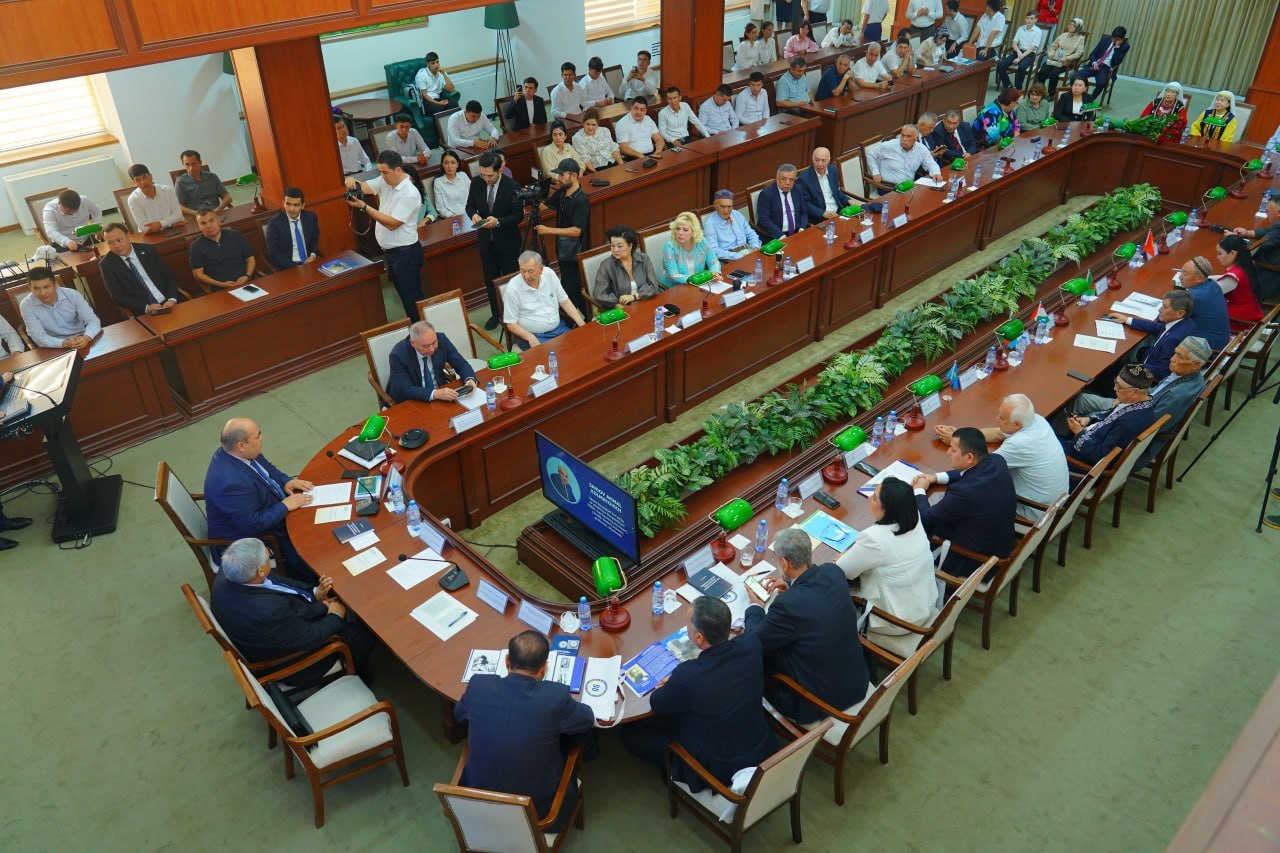
On September 9, 2026, a scientific and public event dedicated to the presentation of the monograph “National Policy of New Uzbekistan in the Spiritual and Cultural Sphere” by Doctor of Political Sciences, Professor Alisher Gafforovich Muminov was held at Mirzo Ulugbek National University of Uzbekistan.
The event was organized in cooperation with the National University of Uzbekistan, the Committee on Interethnic Relations and Compatriots Abroad of the Republic of Uzbekistan, the National Human Rights Centre of the Republic of Uzbekistan, the National Society of Philosophers of Uzbekistan, and the Center for Sustainable Development.
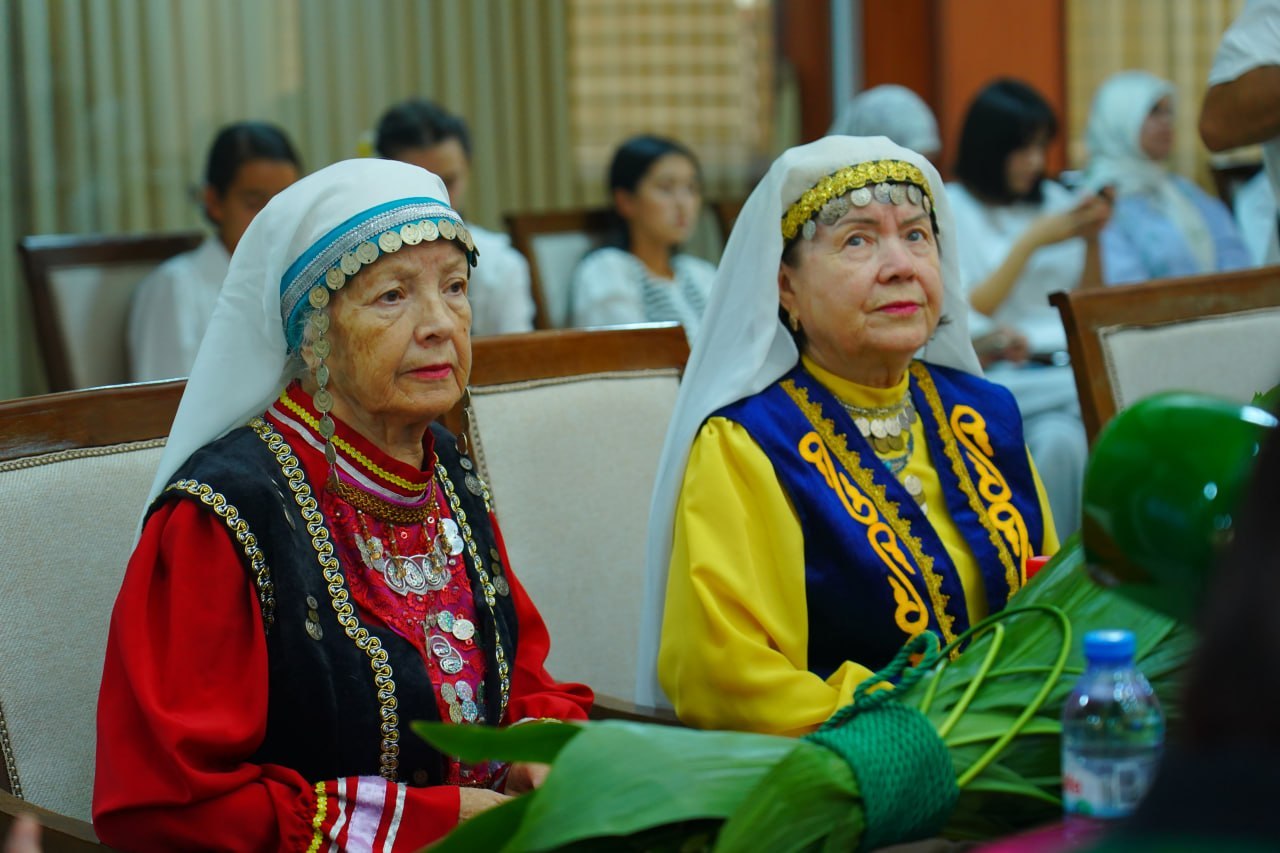
The presentation brought together leading political scientists, philosophers, lawyers, historians, experts in public administration and interethnic relations, young researchers, as well as representatives of national cultural centers.
The event provided an opportunity to exchange views on the theoretical and methodological foundations of Uzbekistan’s national policy in the spiritual and cultural sphere, its practical significance, and its role in the development of society.
Particular attention was paid to the new humanistic paradigm of New Uzbekistan’s development, based on the principles of human dignity, justice, and social responsibility, which received legal consolidation through the constitutional reforms of 2023. In this context, the importance of cooperation between the state and civil society institutions, the protection of human rights and freedoms, and the creation of sustainable social and legal conditions for a dignified life were emphasized.
The presentation also examined the transformation of Uzbekistan’s national policy over the past decade, as well as measures aimed at strengthening interethnic harmony, developing good-neighborly relations, and ensuring stability in Central Asia.
It was noted that the monograph provides a detailed analysis of the mechanisms of the “ecosystem of harmony”, which brings together more than 150 national cultural centers. The participants also emphasized that Uzbekistan’s policy in the field of interethnic relations is being consistently improved in line with contemporary requirements.
Special attention was given to the participation of representatives of more than 130 ethnic groups in public life, the development of tolerance, and the importance of “people’s diplomacy”.
One of the key areas of the monograph is the scholarly analysis of the concept of the “Architecture of the Third Renaissance.” The work examines historical memory and the spiritual heritage of great ancestors, including Amir Temur, Mirzo Ulugbek, and Alisher Navoi, not merely as historical heritage, but as an important spiritual foundation for developing an active civic position.
The participants also highlighted the alignment of Uzbekistan’s national policy with the UN Sustainable Development Goals, particularly in ensuring social stability, creating equal opportunities, building a peaceful and open society, improving public well-being, and preserving cultural identity.
Speakers emphasized the importance of a new scholarly approach based on a transition from administrative governance to social partnership in the context of globalization. This approach views national identity and universal human values not as opposing concepts, but as complementary factors that contribute to the formation of a sustainable cultural resilience within society.
The discussion also recognized youth policy as one of the key driving forces of this process. Fostering a younger generation that is open to the world, respectful of the cultural heritage of neighboring peoples, and committed to national and spiritual values was identified as one of the important priorities of national policy.
According to the participants, the monograph “National Policy of New Uzbekistan in the Spiritual and Cultural Sphere” is of significant academic and practical value not only for scholars and specialists researching interethnic relations, but also for public officials, representatives of civil society institutions, national cultural centers, educators, and young researchers.
The presentation concluded with recognition of the monograph as an important scholarly contribution to a deeper understanding of the foundations of Uzbekistan’s spiritual and cultural policy, the strengthening of interethnic harmony and mutual trust, and the development of humanitarian cooperation in Central Asia.