

On December 15, President Shavkat Mirziyoyev reviewed a presentation on further developing the capital market and accelerating the adoption of international banking standards.
Today, the market value of securities in circulation is 275 trillion UZS, while the volume of securities in free trading is 4 trillion UZS. A total of 717 issuers and 77 professional participants are operating in the market.
At the same time, market capitalization accounts for only 20 percent of gross domestic product, significantly lower than global averages. It was noted that there is substantial untapped potential in this area.
In this regard, measures to attract at least $1 billion in investment to the domestic capital market were discussed.
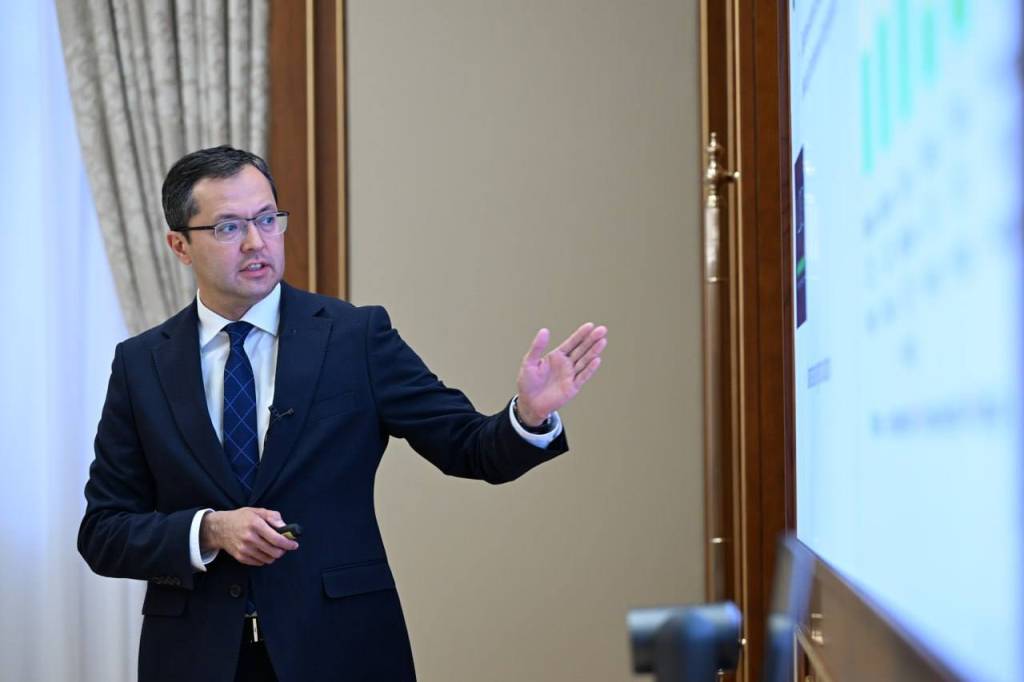
In particular, it is planned to enable dual-listing, allowing the simultaneous listing of securities on domestic and foreign stock exchanges in accordance with international standards. In addition, new financial instruments are expected to be introduced, including currency-denominated bonds, global depositary receipts, foreign securities, and exchange-traded funds.
Special attention during the presentation was given to expanding the legal framework of the “regulatory sandbox” regime.
Within this regime, it was proposed to apply sandbox conditions not only to non-residents but also to residents, to establish an unlimited validity period for foreign investors, and to permit trading in shares, bonds, and other securities of foreign companies. It was noted that this would help reduce informal trading in foreign securities.
Proposals aimed at actively attracting domestic investors to the capital market were also reviewed.
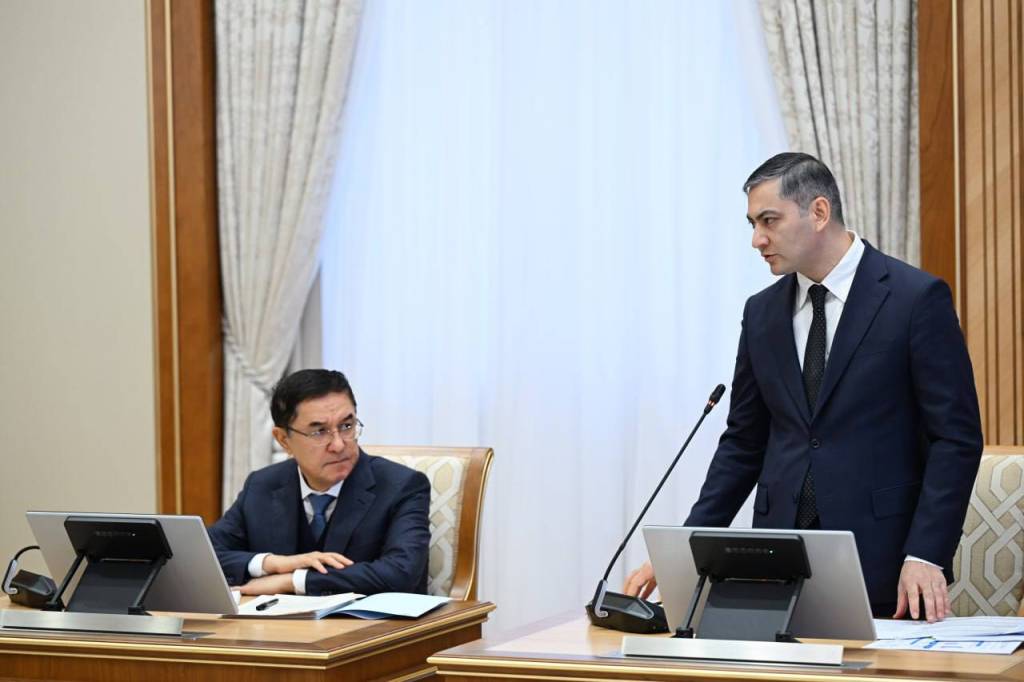
It was noted that local companies and banks will be permitted to issue foreign-currency-denominated bonds on the Tashkent Stock Exchange, enabling them to attract foreign-currency funds without entering external markets.
It was also emphasized that the bond market could be expanded by allowing issuers to place unsecured bonds in amounts exceeding their own capital.
Issues related to improving the oversight and regulatory system in the capital market were discussed.
Plans were presented to align national legislation with the requirements of the International Organization of Securities Commissions, strengthen the regulator’s powers, and gradually increase capital requirements for professional market participants.
It was noted that, over the past seven years, as a result of banking sector reforms, commercial banks’ assets have increased 5.3 times, exceeding 877 trillion UZS. The number of banks has reached 35, and since 2017, three foreign banks have begun operating in Uzbekistan.
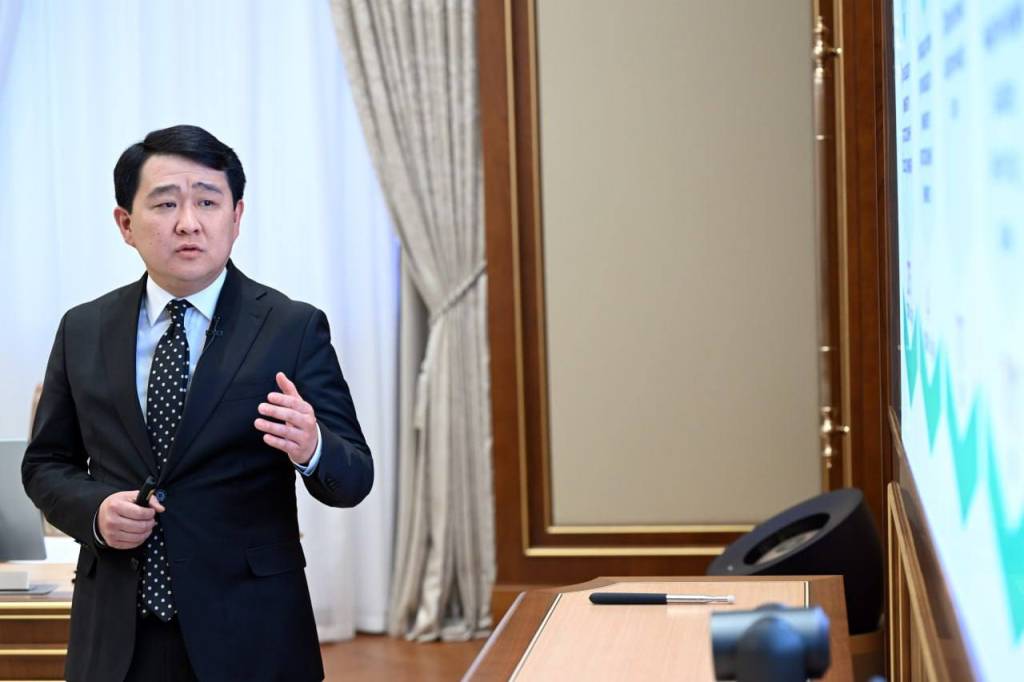
For the first time, Uzbekistan participated in the Financial Sector Assessment Program of the International Monetary Fund and the World Bank, which evaluated areas including banking supervision, risk management, payment systems, macroprudential policy, and crisis management.
Based on the assessment results, plans are in place for next year to bring Uzbekistan’s financial sector into full compliance with the 29 Core Principles for Effective Banking Supervision of the Basel Committee. To this end, tasks have been set to ensure a complete transition of commercial banks to International Financial Reporting Standards, the implementation of Basel III standards, and the establishment of a Financial Stability Council with participation from the Government and the Central Bank.
Emphasizing that reform of the capital market and the banking system plays a key role in ensuring stable economic financing, increasing the private sector’s share, and expanding the attractiveness of international investment, the Head of State set specific tasks for the responsible officials.
UzA